
BENGALURU EXPRESS | SHIVAMOGGA | OCTOBER 31
Protecting Scheduled Tribe communities from social injustice and exploitation while promoting their educational and economic interests must remain a priority for the government and officials, said Minister for Scheduled Tribes Welfare T. Raghumurthy.
Chairing a review meeting on the implementation of Scheduled Caste and Scheduled Tribe welfare schemes with elected representatives and officials at the Abdul Nazir Sab Hall in the Zilla Panchayat office on Saturday, the Minister stressed the need for time-bound implementation of welfare programmes to bring tribal communities into the mainstream.
He directed Agriculture and Horticulture Department officials to maintain detailed information about SC/ST farmers, their landholdings and benefits received under various government schemes to facilitate effective planning. Funds released for welfare programmes must be utilised within the stipulated deadlines, and benefits must reach eligible beneficiaries.
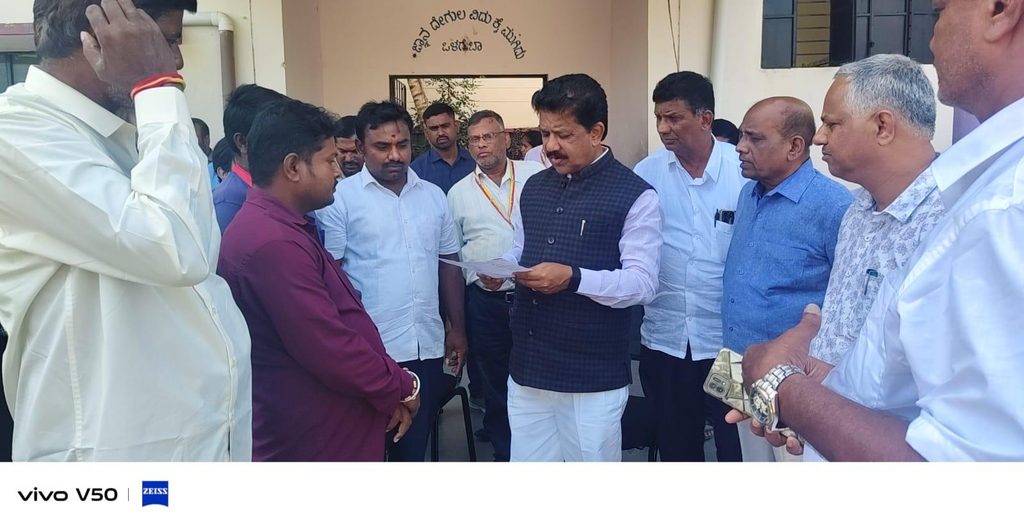
He also called for providing employment and self-employment opportunities to landless tribal families dependent on agriculture. As many farmers in the district were interested in sericulture, he asked officials to extend necessary assistance. Roads, water facilities and other assets created using earmarked funds in tribal-dominated villages must be properly recorded, maintained and handed over to the respective gram panchayats.
Inspection of Hakki Pikki Ashram School
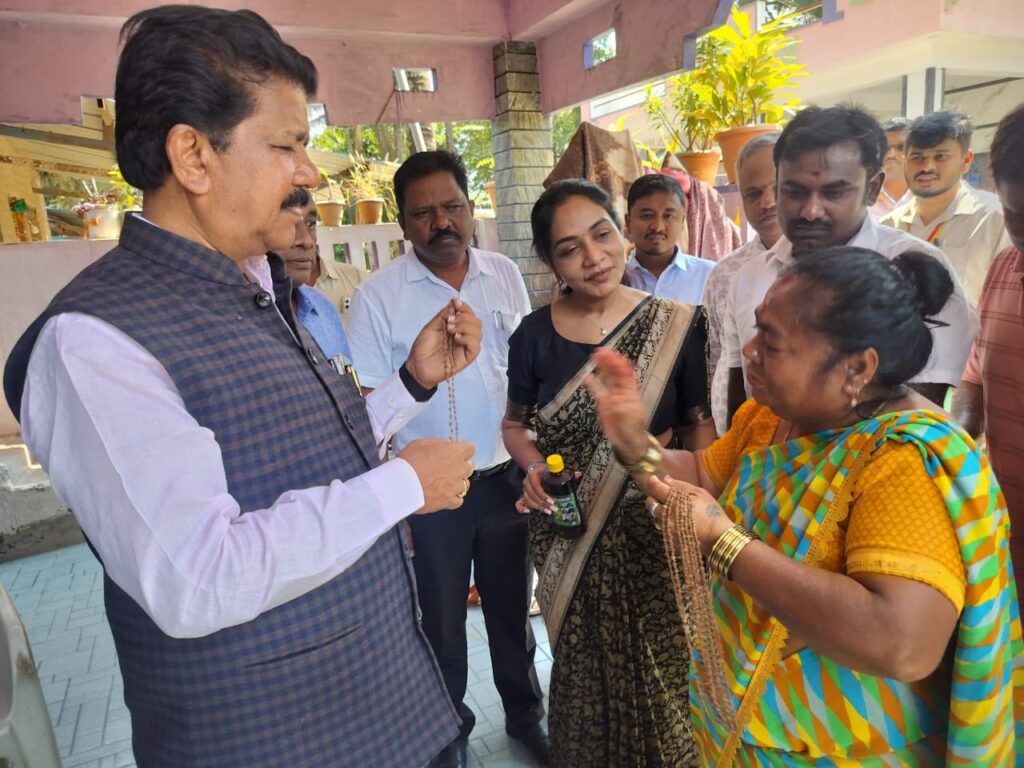
Earlier, Raghumurthy visited the Hakki Pikki Colony Ashram School at Sadashivapura and inspected classrooms, residential facilities, sanitation and student welfare arrangements. He reviewed attendance, teaching methods and academic progress with Principal Girish.
He particularly enquired about the quality of mid-day meals and directed the school authorities to ensure nutritious food, safe drinking water and cleanliness in classrooms, hostels and toilets. He warned against negligence in maintaining a healthy and safe learning environment.
Milk Price Revision for Farmers’ Welfare
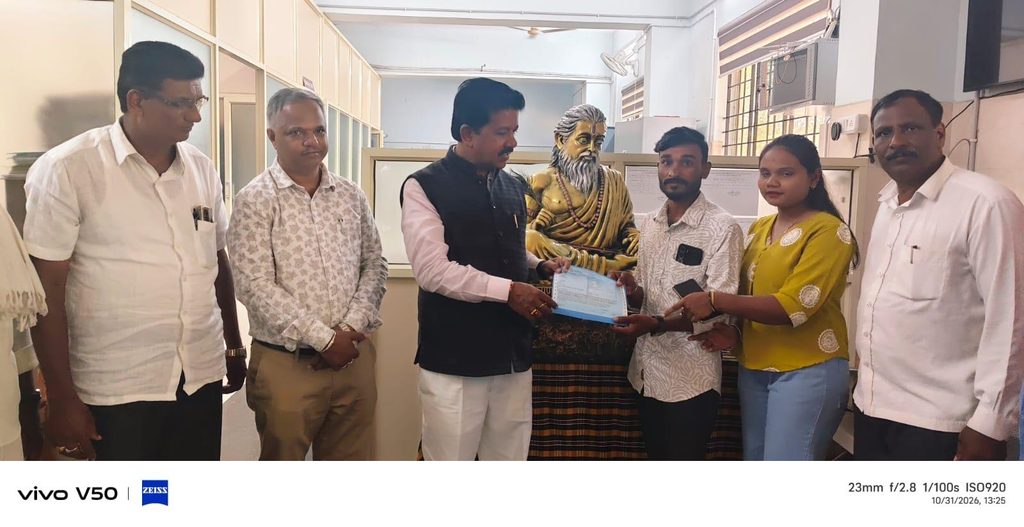
Speaking to reporters, the Minister said the increase in milk prices was intended to strengthen farmers financially and would not benefit the government. Of the Rs. 8 incentive per litre, Rs. 7 goes directly to milk producers and Re. 1 to milk unions, he explained.
He said the decision would support dairy farmers compared with neighbouring states and blamed the Centre for rising prices of essential commodities, including petrol and diesel.
MLAs S.N. Channabasappa, Sharada Puryanaik and Dr. Dhananjay Sarji, Deputy Commissioner Prabhuling Kavalikatti and senior district officials attended the review meeting.
More Stories
Heart-rending to see ASHA workers fighting biting cold : Ravi Kumar
Permanent Solutions to Bengaluru’s Civic Issues Are Government’s Aim: CM
Issue Demand Notices to All Property Tax Defaulters Within a Week: BBMP Commissioner Jagadish G